

The High Cost of Inaccurate Downtime Logging
Unplanned downtime can consume a significant portion of a manufacturing plant's productive capacity, sometimes as much as 20%. This reality often stems from outdated methods for equipment downtime tracking. We can all picture the scene: an operator scribbling notes on a clipboard or a supervisor later trying to piece together events in a spreadsheet. These manual processes are not just slow, they are filled with potential for human error and create a damaging lag between an incident and its analysis.
This delay has cascading consequences. Maintenance teams are dispatched without a clear picture of the problem, leading to prolonged diagnostic times. The wrong specialists might be called, wasting valuable expertise. Over time, this distorted data makes it impossible to calculate Overall Equipment Effectiveness (OEE) accurately, masking the true health of the factory floor. Managers are left making decisions based on incomplete or incorrect information, a frustrating and costly position. The hidden costs accumulate quickly, often in ways that are not immediately obvious on a balance sheet.
These overlooked expenses include:
- Wasted operator time waiting for maintenance.
- Increased labour costs from inefficient maintenance dispatch.
- Inability to perform accurate root cause analysis, leading to recurring failures.
- Potential for safety incidents due to undocumented equipment issues.
Acknowledging these challenges is the first step toward finding a more effective and modern solution that provides clarity instead of confusion.
Implementing QR Codes on the Factory Floor
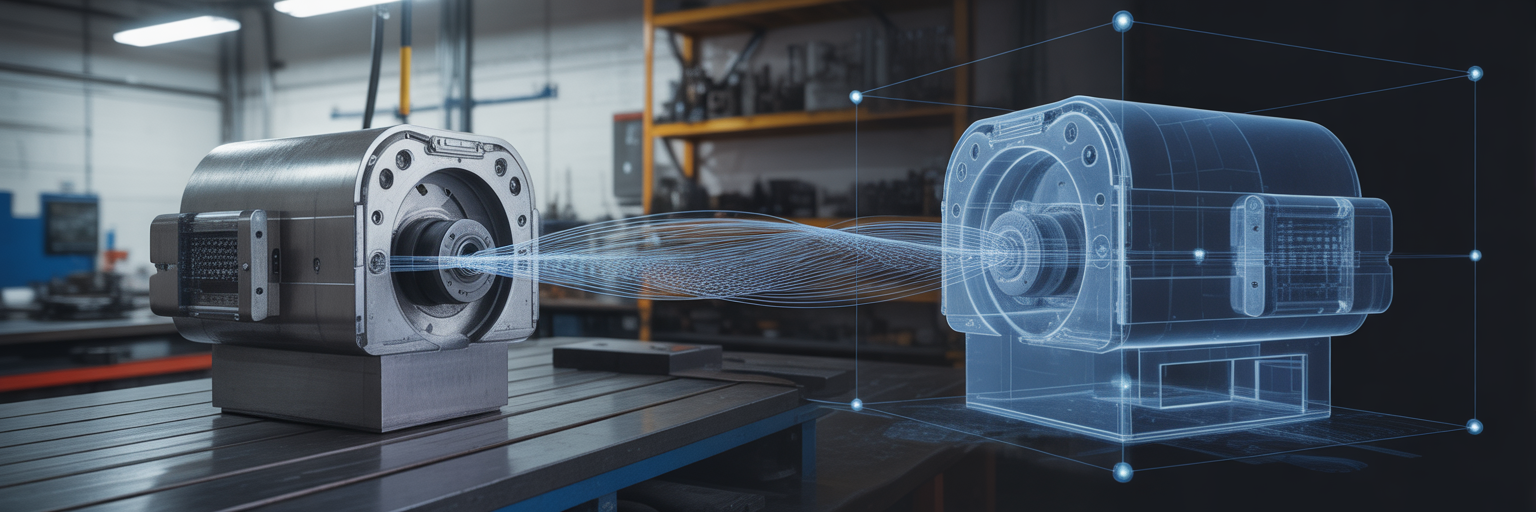
QR codes serve as a simple and durable bridge connecting physical machinery to digital reporting systems. A quick scan with any standard mobile device can instantly identify a specific asset and launch a predefined workflow. This is where the practical application of industrial QR code applications begins. The focus shifts from passive data collection to immediate, actionable steps right on the factory floor.
When deploying these codes, it is important to distinguish between static and dynamic types. A static QR code permanently points to a single destination, like a website URL. A dynamic QR code, however, allows the destination or workflow to be updated centrally without needing to reprint and reapply the physical label. For a manufacturing environment where processes and documentation change, this flexibility is essential. Imagine updating a safety protocol or a maintenance checklist for hundreds of machines without ever touching a single label.
Getting started is more straightforward than many plant managers assume. The initial rollout can be broken down into a few manageable steps:
- Identify and prioritise critical equipment for the initial rollout.
- Generate a unique, dynamic QR code for each asset using a scalable platform.
- Select and apply durable, industrial-grade labels designed to last in the operating environment.
Choosing the right label material is just as important as the code itself. Labels must withstand heat, chemicals, and abrasion to ensure the QR code for manufacturing maintenance remains scannable throughout the equipment's lifecycle. This approach transforms each machine into an interactive data point, a concept we detail further in our guide on how our platform works to connect the physical and digital worlds.
Designing an Intelligent Downtime Reporting Workflow
The real value of a QR code is not the scan itself, but the intelligent process it triggers. The goal is to move far beyond simply linking to a static PDF manual. An effective post-scan workflow guides the user through a structured process that captures clean, consistent data. When an operator scans a code on a downed machine, they should be presented with a simple mobile form, not a dead end.
This form is where the intelligence begins. Instead of a blank text field for "reason for downtime," the form should use a predefined dropdown menu with options like 'Mechanical Failure,' 'Material Shortage,' or 'Tooling Change.' This standardises data from the very start, making future analysis meaningful. From there, conditional logic can automate the next steps. For example, if an operator selects 'Critical Mechanical Failure,' the system can automatically send a high-priority SMS alert to the maintenance supervisor and create a work order. As experts at JUWA highlight in their analysis of business automation, connecting actions to data points is fundamental to operational efficiency. These advanced capabilities, which are part of the features we've built, transform a simple scan into a powerful communication tool.
A well-designed workflow should also capture other crucial data points automatically. This includes the operator's ID from their login, precise timestamps for the scan, and the ability to upload photos or videos of the issue. This creates a complete digital audit trail for every event, providing an indisputable record. This rich, contextual information is essential to identify patterns and ultimately reduce machine downtime over the long term.
Integrating QR Data with Central Management Systems

A standalone QR system, no matter how well-designed, risks creating another data silo. For true operational visibility, the data collected on the factory floor must flow seamlessly into the central platforms that run the business. This is where CMMS QR code integration becomes essential for directors and managers seeking a unified view of their operations.
The key is connecting the QR code platform with your existing Computerized Maintenance Management System (CMMS) or Enterprise Asset Management (EAM) software. This is typically achieved through APIs, which act as secure data pipelines between the systems. For instance, when an operator reports a failure by scanning a QR code, the workflow can automatically generate a work order in the CMMS, populated with all the captured data. When the technician closes that order in the CMMS, the equipment's status can be updated in real-time on a central dashboard. This creates a single source of truth, eliminating guesswork and manual data entry.
The difference between a basic app and an integrated platform is stark.
| Capability | Standalone QR App | Integrated QR Platform |
|---|---|---|
| Data Flow | Manual data export/import required | Automated, real-time data sync via API |
| Real-Time Visibility | Delayed; data lives in a separate silo | Instant; unified dashboard view |
| Workflow Automation | Limited to simple links or forms | Complex, conditional logic and multi-system triggers |
| Scalability | Difficult to manage across many assets and users | Built for enterprise-wide deployment and management |
This table compares the operational limitations of a basic, standalone QR code application against a fully integrated platform. The comparison highlights the critical advantages of integration for achieving real-time visibility and automation in a manufacturing environment.
This level of integration provides a unified view, which is made possible by comprehensive tracking features that consolidate information from multiple sources into one accessible dashboard.
From Real-Time Tracking to Predictive Maintenance
The immediate benefit of a QR code system is reactive, solving problems as they happen. However, its long-term strategic advantage lies in shifting the entire maintenance philosophy from reactive to proactive. Each scan and workflow entry contributes to a rich historical dataset for every piece of equipment, creating a detailed performance log over time.
This is where real-time equipment monitoring evolves into predictive insight. By analysing this data, you can uncover hidden patterns. Analytics might reveal that a specific bearing fails every 750 hours of operation, or that failures on a certain line are more frequent during night shifts when a less experienced crew is on duty. These are not just observations, they are actionable intelligence.
This data-driven approach is the foundation of predictive maintenance. Instead of waiting for a breakdown, you can schedule maintenance just before a predicted failure, minimising unplanned downtime and extending component life. This strategy directly impacts the metrics that matter most to business leaders: higher OEE, lower Maintenance, Repair, and Operations (MRO) costs, and increased production output. The QR code system transforms from a simple reporting tool into a genuine profit driver. For organisations ready to adopt this data-driven approach, exploring the different plans available is a practical next step.