The Challenge of Sharing Modern Wishlists
Anyone who has planned a wedding, baby shower, or even a significant birthday knows the checklist of tasks can feel endless. Amidst finalising guest lists and choosing venues, there is the seemingly simple task of sharing a gift registry. Yet, this is where modern communication often breaks down. The process of how to share a wishlist can quickly become a logistical headache.
We have all seen it happen. A long, complicated URL for a registry gets buried in a group chat, mistyped from an email, or simply forgotten. This small friction point creates predictable problems. Guests end up buying duplicate gifts, purchasing the wrong item, or repeatedly messaging the host for the link, adding another small task to their already full plate.
In an era of digital-first event planning, guests expect information to be instant and seamless. The clumsiness of sharing links feels outdated and inefficient. It introduces a point of failure in an otherwise carefully planned event, creating mild frustration for both the host and the guests. The core issue is the disconnect between the physical invitation and the digital wishlist, a gap that creates unnecessary work for everyone involved.
A Simple Scan for Seamless Gifting

Following the communication challenges of sharing links, the QR code emerges as a direct and elegant solution. Think of it as a physical bridge to a digital destination. It closes the gap between your printed invitation and your online wishlist, creating a single, streamlined experience for your guests.
The process is defined by its simplicity. A guest receives an invitation for a wedding or baby shower, points their phone’s camera at the small square code, and is instantly taken to the correct registry. There is no typing, no searching through old messages, and absolutely no room for error. This immediate access stands in sharp contrast to the frustrations of mistyped URLs and lost links. The technology is designed to work flawlessly every time, and for those interested in the mechanics, you can learn more about how our technology works to ensure that perfect connection.
Using a QR code for wedding registry information or other events also aligns with modern expectations for social gatherings. It is a contactless, hygienic way to share information, which adds a subtle layer of consideration for your guests. The convenience is undeniable. It removes a common point of friction, allowing guests to focus on celebrating the occasion rather than hunting for the right link.
How to Create Your QR Code-Enabled Wishlist
Creating a scannable wishlist is far simpler than you might think and requires no technical expertise. It is a straightforward process that ensures your guests have direct access to your gift ideas, whether for a birthday, wedding, or baby shower.
Here is how you can set it up in a few easy steps:
- Compile Your Gift Ideas First: Before you can share a list, you need to build one. Start by browsing your favourite online stores and gathering links to the items you would love to receive. This is the creative part where you get to dream a little.
- Use a Centralised Wishlist Platform: The easiest way to organise everything is with a dedicated free wishlist builder. Platforms like LMK.today allow you to add items from any retailer into one central, shareable list. This prevents you from having to send guests to multiple different store registries.
- Generate Your Unique QR Code: Once your LMK.today wishlist is complete, the platform automatically generates a unique QR code for it. This code is tied directly to your specific list. You do not need to create it yourself; it is part of the service.
- Download and Share: The generated QR code is a simple image file. You can download it and add it to virtually any material, printed or digital. Place it on your wedding invitation inserts, email announcements, or even a social media post. A birthday wishlist QR code can be sent in a quick text message to friends who ask for ideas.
This method is incredibly versatile. This simple tool is just one part of a wider range of QR code solutions designed for different needs, from personal events to large-scale corporate functions.
The Power of a Dynamic QR Code
Not all QR codes are created equal. While any QR code can point to a link, a dynamic QR code offers a level of flexibility and insight that is perfect for event planning. A static code is permanent; the destination link it points to is fixed forever. In contrast, a dynamic QR code’s destination can be updated at any time, even after it has been printed on hundreds of invitations.
This flexibility is invaluable. What happens if your main registry store has an issue, or you decide to add items from a new shop? With a dynamic code, you simply log into your dashboard, update the destination URL, and the existing QR code automatically redirects to the new link. All your printed materials remain valid.
The second major benefit is trackability. Dynamic codes can tell you how many times your wishlist has been scanned. This insight is made possible by powerful QR code trackers, which provide valuable data on guest engagement. Platforms like LMK.today partner with technology providers like Autonix to offer these advanced features, ensuring reliability and control. As highlighted by guides from platforms like Bitly explaining how to make a QR code for an Amazon wish list, this practice is becoming increasingly common.
| Feature | Static QR Code | Dynamic QR Code |
|---|---|---|
| Editability | Destination link is permanent | Destination link can be changed anytime |
| Tracking | No scan data available | Provides scan counts, locations, and times |
| Best For | Permanent information (e.g., a website homepage) | Event planning, marketing, and campaigns where flexibility is needed |
Creative Ways to Share Your Wishlist QR Code
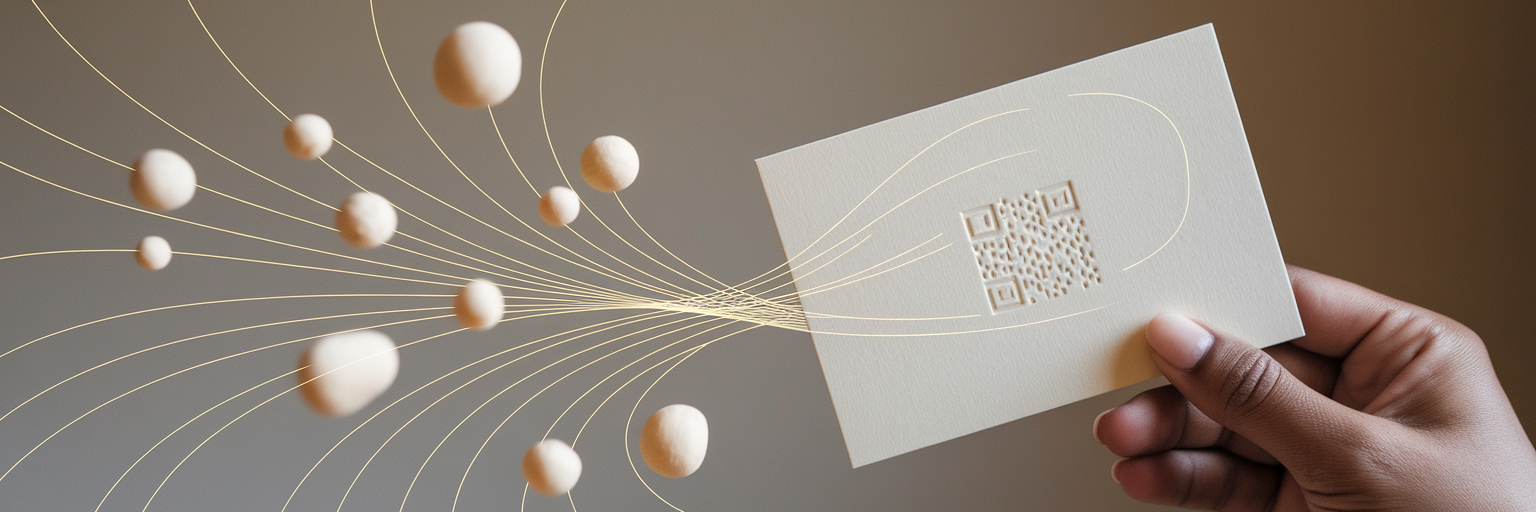
Once you have your QR code, the next step is to share it in a way that feels natural and helpful. The goal is to simplify gift giving for your guests by making the information impossible to miss. Here are a few creative and practical ideas for different occasions:
- For Weddings: Print the QR code on a small, elegant insert card that accompanies the main invitation. This keeps the primary invitation clean and formal while providing registry information in a modern, accessible format.
- For Baby Showers: Get creative with placement. You can add the code to table decorations, game cards, or even a small, framed sign near the gift area. This gives guests an easy way to access the list during the event itself.
- For Birthdays: Keep it casual and digital. Add the QR code to a digital invitation, a Facebook event page, or simply have the image saved on your phone. When friends and family ask for ideas, you can send it in a message for instant access.
Each of these methods places the wishlist directly in the guest's path, removing any need for them to ask or search. These ideas are just the beginning; the full range of QR code features allows for even more creative applications.
A New Opportunity for Brands and Marketers
The same technology that streamlines personal gifting also presents a powerful tool for brands and marketers. The core principles of providing direct access, dynamic content, and trackable engagement are highly valuable in a commercial context.
For example, a brand could use an LMK.today wishlist as an interactive mini-store. By placing a QR code at an event or on packaging, they can lead customers to a curated "secret shopping" collection or an exclusive discount page. This transforms a simple list into an engaging experience, driving sales and capturing customer interest.
Ultimately, the power of the QR code lies in its ability to create an instant, reliable connection between the physical and digital worlds. Whether for a personal wedding registry or a sophisticated marketing campaign, these scannable workflows deliver information efficiently and effectively.